
Stargazing Ideas
Bedruthan Steps, just moments along the coast from us, has been awarded Dark Sky Discovery status making this beautiful stretch of coast the perfect place for gazing up at the stars.

Written by Emma Benney
The best time to visit Cornwall is early summer or autumn, when the sun's out and coastal towns have more room to explore. But the right month depends on the trip you want, whether that’s a swim in the warmest sea of the year or a stormy weekend that ends in a hot tub.
Below we go month by month through the weather, sea temperature and what’s on, plus how we’d spend our time in each.
Spring (March to May)
Spring highs average 10 to 15°C. It’s a good time for wildflowers, coast path walks and gardens.
Summer (June to August)
Summer highs average 17 to 19°C. This is the season for beach days, the warmest sea, festivals and long evenings.
Autumn (September to November)
Autumn highs average 12 to 17°C. It suits surfing, storm watching and autumn walks. This is the season for quiet beaches.
Winter (December to February)
Winter highs average 8 to 10°C. It’s the time for spa breaks, empty beaches, dramatic waves and cosy escapes.
Best for: a proper reset and empty beaches.
January brings crisp, bright days with highs of around 8 or 9°C, and the odd wet and windy one that makes the cosy bits better. You can walk a whole beach without passing anyone. The sea sits at around 10°C, so swimming is strictly for those brave enough. Midweek breaks like Essence of Scarlet suit the month well.
Wrap up and walk the coast path, then spend the afternoon in the spa. Our clifftop hot tubs are at their best when the air is cold. Rough days are great for watching waves break at Bedruthan Steps.
If you’re in Cornwall on Twelfth Night (5th January), you may see people in places like Bodmin and Boscastle taking part in wassailing; an old tradition in which people gather in cider orchards to sing and offer blessings to the apple trees.
Pack waterproofs and a flask. Some cafes and attractions close for winter, so check opening hours before you set off, and plan your walk for the middle of the day as it gets dark before 5pm.
Best for: couples who want a quiet, romantic few days.
February is cool and peaceful, with highs of around 8°C and a sea temperature of about 9°C. The rain suits a long spa day. It stays quiet, with only Valentine’s weekend and the mid-February school half term feeling livelier.
Book a long spa day or a spa break, then eat slowly in the restaurant. Winter produce is underrated, and our menu changes with the seasons.
Garden lovers can start their year at Heligan or Trebah, where the first blooms arrive early. The Global Pasty Championships at the Lost Gardens of Heligan are usually held at the end of the month and taken very seriously. Roads are clear, and parking is easy everywhere, so weekday travel is straightforward, even on the A30.

Best for: the first signs of spring, early garden visits and cold-water surfers.
Highs reach around 10°C, and the days stretch noticeably once the clocks go forward at the end of the month. Expect a mix of sunshine, showers and wind. Beaches are peaceful, with Mother’s Day weekend and the first spring weekends the busiest. The sea is at about 9°C, but surfers still go in with thick wetsuits.
Daffodils and camellias are out, which makes this a good month for the big gardens. The south coast ones tend to bloom a little earlier than the north. Wrap up for a walk along the cliffs from Mawgan Porth, then head back for the hot tubs.
St Piran’s Day on 5th March brings parades and pasties across the county in honour of Cornwall’s patron saint, and the Cornwall Garden Society Spring Flower Show at Wadebridge usually follows in late March.
Best for: walkers, garden lovers and anyone who wants some sun without the summer crowds.
April brings highs of around 12°C, bright mornings and the first warm afternoons, with the odd sudden shower. The sea is around 10°C. It’s relatively quiet until Easter, the first lively spell of the year.
Bluebells and wild garlic fill the woods and lanes, and the coast path is at its freshest. Book a surf lesson at nearby Watergate Bay if you want to brave the sea early. The activities page has more ideas for things to do on and around the coast.
Porthleven Food Festival, usually held in late April, is one of the best early-season foodie weekends. Going the week after Easter can feel like you have the whole county to yourself.
Best for: coast path walks and wildflowers.
Highs reach around 14 or 15°C, with long light evenings and plenty of dry days. Thrift covers the cliff tops in pink, which is beautiful. The sea is around 12°C; a short dip will wake you up.
Walk the clifftops between Mawgan Porth and Bedruthan Steps, and eat outside when the sun cooperates. The evenings are long enough for a late hot tub with the sky still light. Sundays work well here: Scarlet Sunday pairs the spa with a delicious roast dinner.
Padstow’s ‘Obby ‘Oss on 1st May is an extraordinary May Day tradition, and Helston Flora Day on 8th May sees the town dance through its streets. Both are worth the detour if you like your traditions.

Best for: long evenings, outdoor dining and a first sea swim before the summer.
June is often one of the sunniest, driest months on the north coast, with highs of around 17°C and sunsets well after 9pm. The sea is around 14°C; bracing, but plenty of people take the plunge. The school holidays haven’t started, so the coast still feels relaxed.
Sit out late with a drink and watch the light go. Paddleboard or kayak in the calmer coves, and keep an eye on the water for basking sharks, which sometimes show up off the coast in early summer. Our restaurant makes the most of the season’s produce.
The Royal Cornwall Show at Wadebridge is the county’s biggest agricultural show, usually in the first week of June. The Falmouth International Sea Shanty Festival follows in mid-June, and Golowan Festival in Penzance runs late in the month. Pack sun cream alongside the waterproof, and book weekends early.
Best for: beach days, late sunsets and open attractions.
July brings highs of around 19°C, sometimes warmer, and a sea of around 16°C that’s fine for a swim with a wetsuit. Everything is open, and the coast has a proper holiday buzz once the school holidays begin in the second half of the month.
Get to the beach before 9am if you can and enjoy the quiet bit of the day. We’re adults only, so the hotel stays calm even when the coast is full of families. Newquay Food Festival at Killacourt is usually held in July, alongside a long run of village fairs and regattas.
Book restaurants and stays well ahead.
Best for: the warmest sea of the year and a full calendar of festivals.
August is typically the warmest month, with highs of around 19°C, though Cornwall is never guaranteed sunshine. The sea is at its warmest too, around 16 or 17°C. It’s the liveliest month on the coast, with a full calendar of festivals.
Try a surf or paddleboard lesson at Watergate Bay or Newquay, or take a boat trip from Padstow, then retreat somewhere quiet. Visit midweek and keep your plans flexible if you want to enjoy the calmer side of the coast.
Boardmasters at Watergate Bay and Newquay is Cornwall’s biggest festival and fills the area with surfers and music fans in early August. Fowey Royal Regatta and Carnival follows in mid-August, and the Cornwall Folk Festival at Wadebridge is another great one. August is the most popular month of the year.

Best for: warm sea, thinner crowds and many people's favourite month.
September has highs of around 17°C, and can feel like an extension of summer. Mornings are often misty and gentle, and evenings are cooler. The sea is still around 16°C. Once schools go back after the first week, things calm down.
This is the month for the sea. Swim, surf or paddle without the August crowds, then dry off with a long lunch. Walks are comfortable, and tables are easier to get. A two-night break like Spend Time Together suits the pace.
Harvest and food events run across the county, along with the tail end of the regatta season, so check local listings for the dates.
Best for: surfers, storm watchers and anyone who likes autumn colour and great food.
October brings highs of around 15°C and bigger Atlantic swells, which often bring the best surf of the year. The sea is around 14°C, cooler but still bearable with a wetsuit. The beaches are quiet, with only the October half-term week bringing families back.
Grey seals can be seen along the coast as pupping season begins. Coastal walks end well with the hot tubs and a long dinner.
Falmouth Oyster Festival is a lively celebration of Cornish seafood, usually in mid-October. Layers, boots and a waterproof are all worth packing. Some seasonal businesses begin to close after half term, so check opening hours.
Best for: slowing down before the festive rush, with storm watching and spa time.
November has highs of around 12°C and waves that are worth watching, with the sea at about 13°C. The coast is very quiet, mostly locals and dog walkers. The days are short, wet and windy, which is exactly why a clifftop hot tub works so well.
Scarlet Silent Nights is designed for this time of year, with a two-night midweek stay that includes a clifftop hot tub and afternoon tea. It is a great excuse to switch off before the festive run-up begins.
Truro’s city lights and lantern events kick off the Christmas season, and Christmas fairs begin to appear, including at the Eden Project. Check the forecast and keep your plans flexible.

Best for: festivities, cold-water swimming and a cosy escape.
December is mild by UK standards, with highs of around 10°C and a sea of around 11°C. It’s quiet for most of the month, then lively between Christmas and New Year. Wet, windy days and short daylight hours make the lights and a spa break feel even better.
Padstow’s harbour looks wonderful with its lights on, and Christmas markets and carol services run across the county. Padstow Christmas Fayre is held in early December and Boxing Day swims take place on beaches around the coast.
Book Christmas and New Year stays early.
If you’re looking for one month to visit, then we recommend September, or the second half of May into June. The sea is as warm as it will be and the coast has room to breathe.
If you want the best value, go in November or February and let the weather be part of the trip. Whenever you choose, the north coast rewards slowing down.
Take a look at our rooms and browse our curated breaks. We will have the clifftop hot tubs ready.
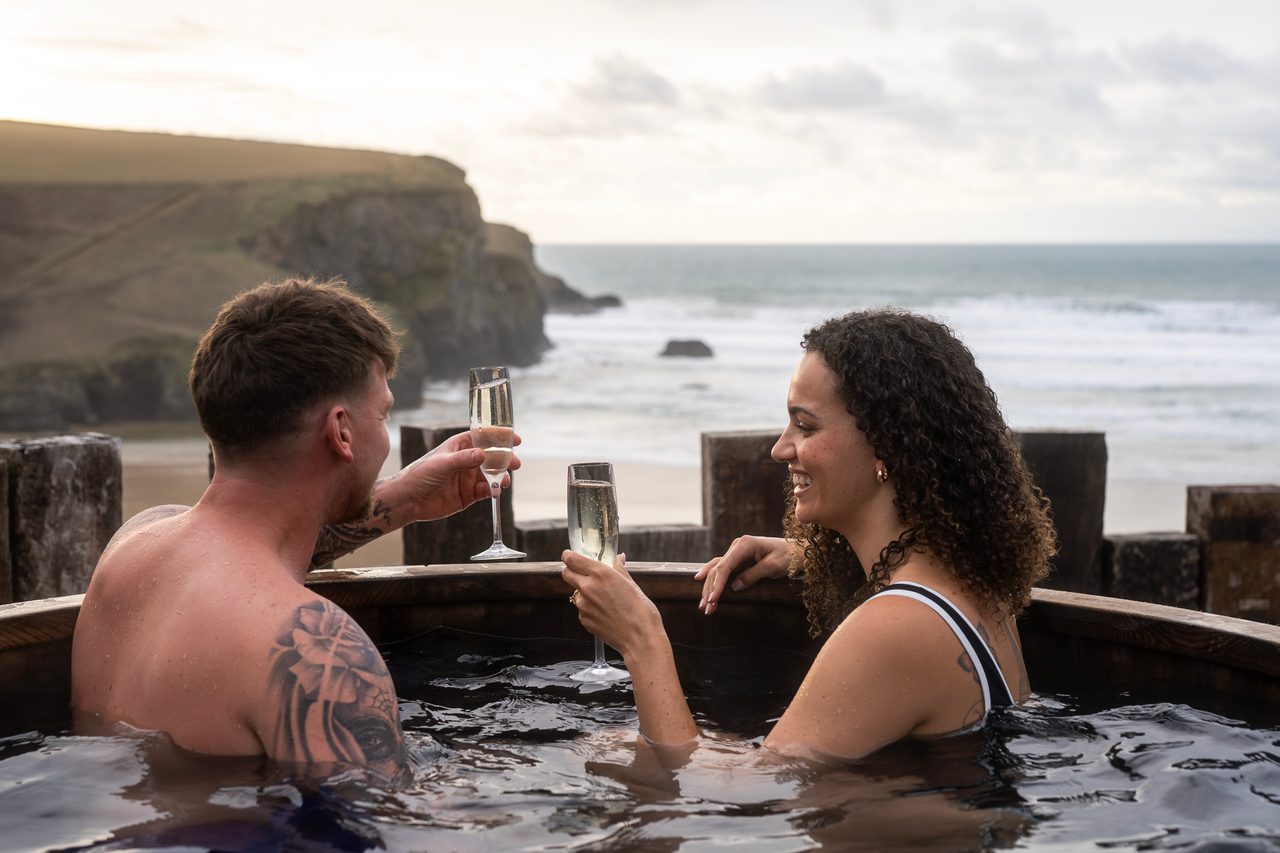
Bedruthan Steps, just moments along the coast from us, has been awarded Dark Sky Discovery status making this beautiful stretch of coast the perfect place for gazing up at the stars.

Want to enjoy Cornwall in glorious Summer sunshine? Not so keen on sharing the beautiful beaches, cool cafes and enticing cliff paths with Summer holiday crowds?

Whilst we would love you to dine here and experience the magic chef Joe and the team conjure up each evening, you may wish to mix it up and tick a few places of your list.
In Ayurveda, the year is broken into three seasons which mirror the three dosha types. Autumn into winter is the season of Vata. Literally translated as ‘wind, Vata is dry and cold with bursts of movement.

If you are in a bit of a Christmas gifting conundrum this year, we have some Scarlet suggestions from our sister hotel's eclectic collection at Create Cornwall all bound to put a great big smile on the face of the one who has made your year.

Mothering Sunday can be a sensitive time of year, so all of our gifts are good for spoiling loved ones, friends, or even as a little treat for yourself’.

This holiday season, embrace the spirit of giving with Scarlet Hotel's Sustainable Christmas Gift Guide.

Winter in Cornwall is a magical time for wildlife enthusiasts, with a wealth of fascinating creatures making their presence known along the rugged coastline and out at sea.
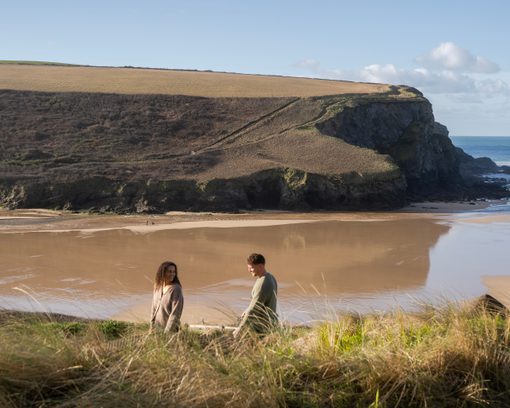
Perched on the rugged clifftops of Mawgan Porth, Scarlet is a luxury adults-only hotel in Cornwall, designed for those seeking tranquillity and reconnection.
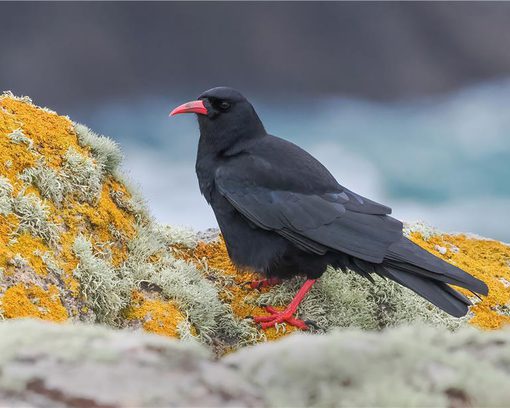
For much of the 20th century, the Cornish chough had vanished from the county’s cliffs, with the last native bird seen in 1973.
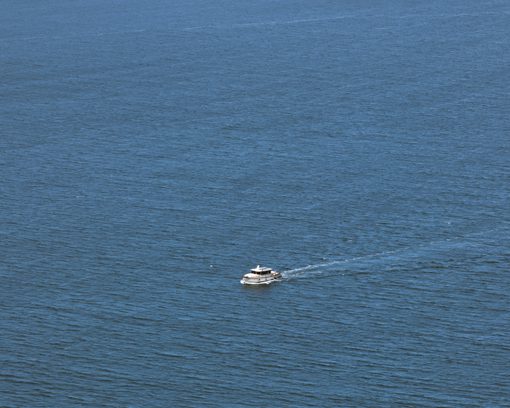
Discover Cornwall's spectacular coastline and the incredible wildlife that calls these waters home. Cruise past dramatic cliffs and hidden coves while spotting playful dolphins, curious seals, puffins and seabirds.
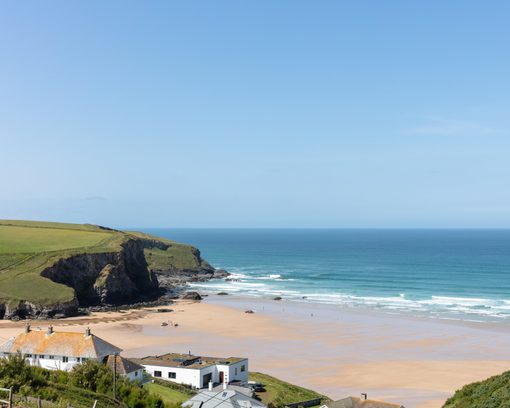
Cornwall's dramatic coastline and breathtaking landscapes make it an irresistible destination for outdoor enthusiasts. We've curated some of our favourite walks in Northern Cornwall to help you experience the very best this remarkable coastline has to offer.

We invite guests to embody water's essence - here, you can flow like water, feel energised by gentle swells and find stillness in our sauna and steam rooms.
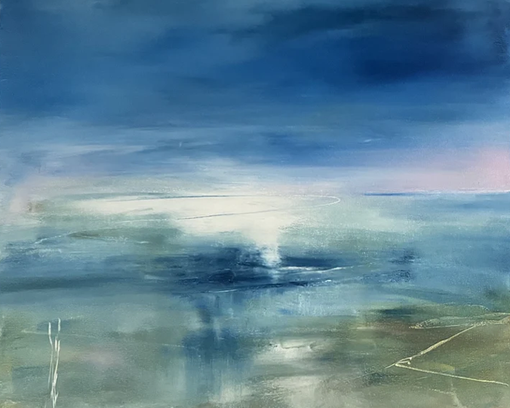
Every piece of art that decorates the walls of Scarlet Hotel comes from the hands and hearts of local Cornish artists who share a common thread – they find their muse in Cornwall's breathtaking landscape

Take home new daily rituals that help you reconnect with nature, your needs and wellbeing long after you leave Cornwall's shores. Discover five simple habits to transform your everyday wellness.

At The Scarlet, we believe that good sleep is an essential, not a luxury. That's why your experience with us is designed for tranquility.
Whether you're celebrating an anniversary, away on a long weekend, or simply craving space to breathe together, Cornwall delivers romance in a way that feels truly effortless.
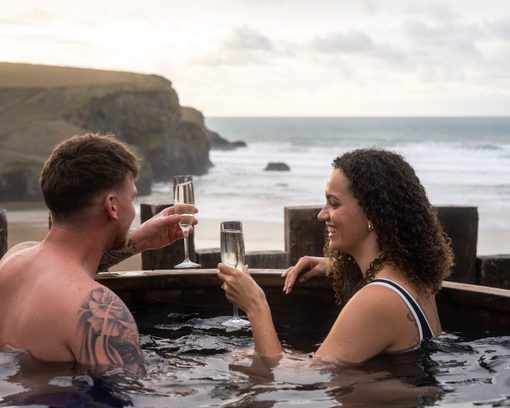
At Scarlet, our adults-only eco-hotel on the Cornish clifftops near Mawgan Porth, we've watched countless couples reconnect with each other. Here’s what we’ve found helps.

Whether you're looking for somewhere to walk or simply somewhere to rest after a big day out, here's everything you need to plan the perfect dog-friendly break.

Discover the best places to watch the sunset in Cornwall, from Mawgan Porth and Bedruthan Steps to Kynance Cove, plus tips on the best sunset viewpoints along the north coast.

Summer gets all the attention in Cornwall. But there’s plenty to see and explore from late September through November; here's what we'd recommend.

Why not visit our sister hotel?
